


Driving on Less Than 5 Hours of Sleep is Just as Dangerous as Drunk-Driving, Study Finds
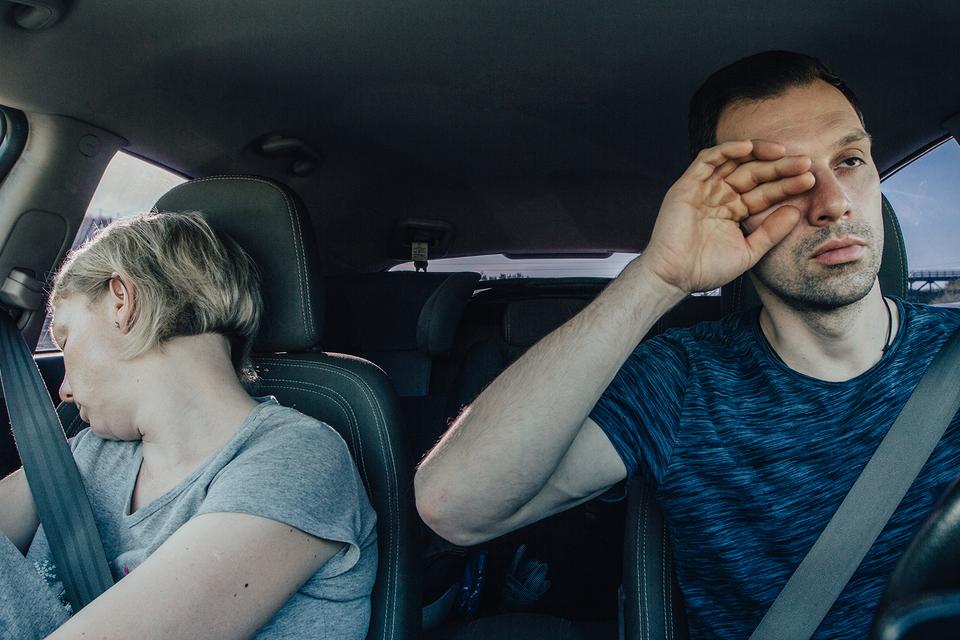
What if you could be fined or lose your license for driving tired? Our new study just published in Nature and Science of Sleep has found if you had less than five hours of sleep last night, you are just as likely to have a vehicle crash as if you were over the legal limit for alcohol.
Description
We know about 20% of all vehicle crashes are caused by fatigue. Over the past 20 years, the number of crashes caused by alcohol has decreased significantly.
However, there has been little progress over this same period in decreasing the number of crashes caused by fatigue. We wanted to know – can this be changed?
Partners
Office of Road Safety
Impact
After synthesising the findings of 61 unique studies, the research found having less than four to five hours of sleep in the previous 24 hours is associated with an approximate doubling of the risk of a vehicle crash. This is the same risk of a crash seen when drivers have a blood alcohol concentration of 0.05%. Dr Sprajcer and Prof Dawson are currently consulting with a range of community members and road safety stakeholders on what the next step might be for regulating fatigued driving in Australia. Preliminary findings indicate that at the very least, more specific public education and guidance for drivers on how to avoid driving while fatigued would be welcomed. For example, easy-to-follow advice on how to decide whether or not you are too fatigued to drive would likely be well received.
Researcher
Dr Madeline Sprajcer and Prof Drew Dawson
Recent decreases in alcohol-related car crashes have happened for a few reasons:
A significant investment in public education.
Drivers have easy-to-follow guidance on how to decide if they are too intoxicated to drive (for example, the advice to have “two drinks in the first hour, and one drink every hour after that”)
Strong enforcement strategies, including roadside testing.
Highly publicised drunk-driving legal cases.
Additionally, drivers are legally deemed to be impaired if their blood alcohol concentration is over 0.05%, regardless of their driving performance. This blood alcohol limit is an effective “line in the sand”, determining whether someone is legally permitted to drive.
We did a study to find out if we could reduce the number of fatigue-related crashes on Australian roads by following a similar strategy. Is there a point at which we could deem a driver to be impaired due to fatigue.
A minimum amount of shuteye?
To do this, we evaluated the scientific evidence from laboratory and field studies that looked at how much prior sleep you need to drive safely.
After synthesising the findings of 61 unique studies, we found having less than four to five hours of sleep in the previous 24 hours is associated with an approximate doubling of the risk of a vehicle crash. This is the same risk of a crash seen when drivers have a blood alcohol concentration of 0.05%.
Not only this, but a driver’s risk of a crash significantly increases with each hour of sleep lost the night before. Some studies even suggested that when a driver had between zero and four hours of sleep the previous night, they may be up to 15 times more likely to have a crash.
Our review suggests that based on the scientific evidence, it may be reasonable to require drivers to have a certain amount of sleep before getting behind the wheel. If we were to align with the degree of risk considered acceptable for intoxication, we may consider requiring a minimum of four to five hours of sleep prior to driving.
However, we must consider more than just the scientific evidence. For the most part, drinking alcohol is something individuals choose to do. Many people cannot decide to get more sleep – for example, new parents, shift workers and people with sleep disorders. Not only that, but for fatigued driving to be regulated, there would need to be significant public support.
Is the law even an option?
We must also consider how such a law would be implemented. There is no current way to evaluate fatigue at the roadside – no breath test or blood test that can evaluate how much sleep you have had, or how impaired you are. As a result, regulating fatigue would likely need to happen in the event of a crash. Was the driver impaired due to fatigue at the time, and are they therefore legally responsible?
Regulating fatigued driving is not a new idea. In New Jersey, “Maggie’s Law” legislation finds drivers to be legally impaired if they have had zero hours of sleep in the previous 24 hours. This law, implemented in 2003 after a fatigued driver killed a college student, would be considered by many to be quite permissive. That is, a lot of people would expect you would need more than zero hours of sleep in the previous 24 hours to be able to drive safely. However, in Australia in 2023, there is no similar requirement to ensure you are sufficiently rested to get behind the wheel.
We are currently consulting with a range of community members and road safety stakeholders on what the next step might be for regulating fatigued driving in Australia. Preliminary findings indicate that at the very least, more specific public education and guidance for drivers on how to avoid driving while fatigued would be welcomed. For example, easy-to-follow advice on how to decide whether or not you are too fatigued to drive would likely be well received.
While Australia might be a little while off legislating how much sleep to get before getting behind the wheel, we suggest keeping the amount of sleep you’ve had in the previous 24 hours in mind. If you’ve slept less than five hours, you probably shouldn’t drive. The Conversation
Madeline Sprajcer, Lecturer in Psychology, CQUniversity Australia and Drew Dawson, Director, Appleton Institute, CQUniversity Australia
This article is republished from The Conversation under a Creative Commons license. Read the original article.
Connect with CQUniversity
At CQUniversity we know the value of our connections locally and around the world. Our partnerships help us create opportunities, deliver solutions and change lives. From time to time, we share our Connections Count update where we share our highlights, including research impact stories like the ones above. Sign up to become one of our valued connections.
Don’t Drive Drowsy: Falling Asleep While Driving Can Lead To Deadly Consequences
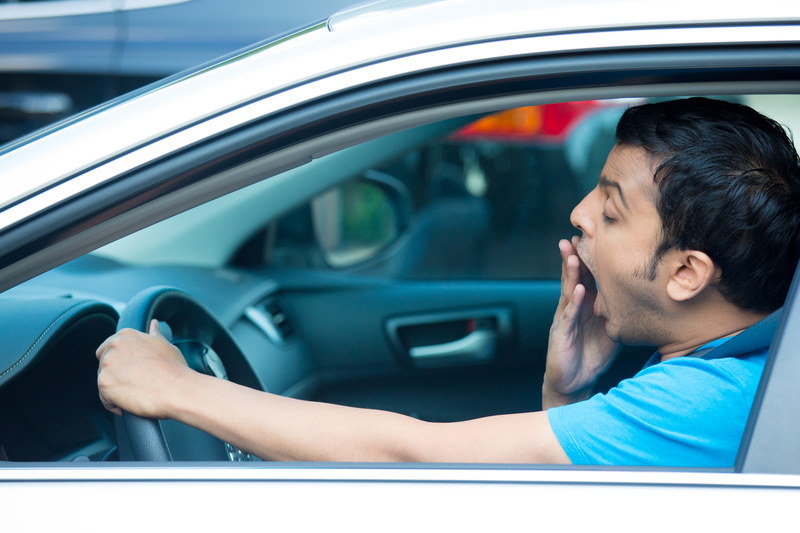
One hour of sleep can make all the difference before going for a drive. According to the AAA Foundation for Traffic Safety, sleeping only six to seven hours in comparison to eight hours a night can double the chances of getting into a vehicle accident. The lack of sleep can inhibit reaction time, cognitive and motor skills, judgment and memory. Every year, 100,000 police-reported crashes are due to drowsy drivers, and 6,000 of those can result in deadly consequences.
However, driving while sleepy can have similar consequences on your body as driving drunk. Being awake for 17 hours straight has the same effects on your body as having a blood alcohol content of 0.05. With three more hours, the consequences double as your body will begin to behave as though you have a BAC of 0.1.
Scarily enough, nearly 71 percent of all young adults between the ages of 18 and 29 have admitted to driving while sleepy, a dangerous habit that needs to be broken. Although younger drivers make up only a fourth of licensed drivers, they’re responsible for two-thirds of drowsy driving accidents.
A frightening phenomenon called “micro-sleep” is also very common amongst sleepy drivers. Micro-sleep occurs when an individual begins to drift off, but only for a matter of seconds—usually around 20 to 30 seconds at max—without even realizing it. They’ll continue to do what they are doing with their eyes open but their brain will be going to sleep, just as if they are in a hypnotic state of auto-pilot. Imagine waking up to realize you’ve drifted into oncoming traffic!
Driving and sleeping shouldn’t mix, period. Remember to always pull over in a safe area and take a quick nap if you are starting to feel drowsy while on the road. If you’re consistently having trouble staying wake while driving, then a lack of sleep could be to blame. Our team at FusionSleep specializes in finding solutions to improve your quality of sleep and life. Let us help you make your way to better sleep. Call (678) 990-3962 to set up an appointment with one of our certified sleep specialists today.